Introduction
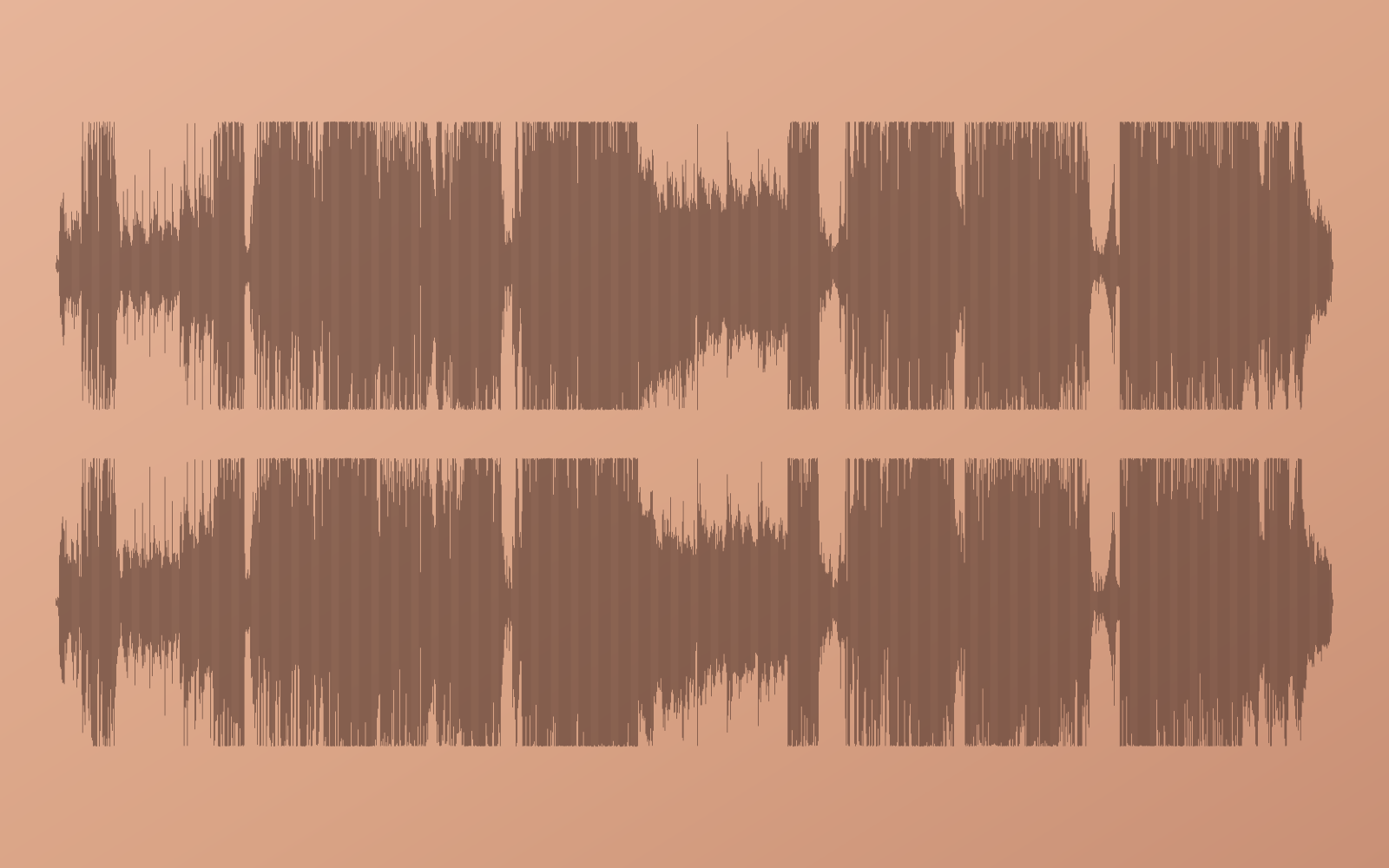
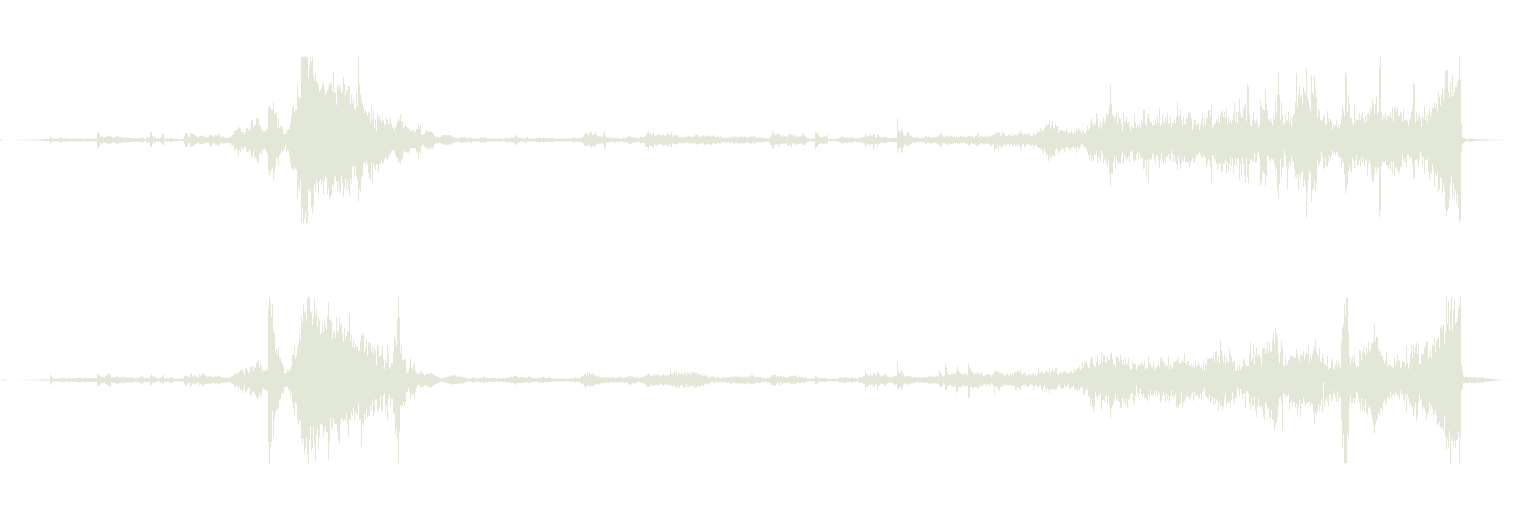
Tyrannicides is an electroacoustic work built from acoustic instrument samples. Using aulos and lyre samples sourced from Splice as my main materials, I explored how electronic processing could extend their timbral and expressive possibilities while reimagining the story of the ancient Athenian tyrannicides through sound.
Detailed Documentation
Motivation and references
The project began after I listened to Philippe Manoury’s Jupiter. It sparked my interest in the relationship between acoustic instruments and electronic processing, encouraging me to explore what new forms of musical expression could emerge from transforming an instrumental sound.
Narrative and structure: specific sonic choices
What drew me to the tyrannicides’ story was the gap between the outcome of their actions and the meaning later attached to them. Their assassination did not immediately end tyranny, yet they were subsequently commemorated as symbols of freedom. I found this shift ironic and used it as a starting point for the work’s narrative. Imagining myself within the story, I used sound to explore conflicting perspectives. Tangled, chaotic low-frequency textures, for example, represented my imagining of the public’s opinions. Structurally, I focused on how sounds unfolded through time rather than organizing the music primarily around a beat.
Transforming the sound materials
I used a range of spectral processing effects to develop new textures from the instrumental materials. With Logic Pro’s Flex tools, I altered the playback speed, pitch, and rhythmic structure of sections within the samples to create grain-like textures. Changes in timbre, duration, and spectrum suggested new relationships between the sounds.
Stereo imaging and mixing
Stereo imaging was another important part of the composition. I routed sounds to separate buses for different imaging treatments, aiming to make each layer distinguishable without allowing any one voice to dominate. Mixing helped shape the relationships within the piece and make them audible.
Process and reflection
Experimentation and subsequent organization guided the process: I explored uncertain sonic results, then brought those discoveries into a coherent musical form. I found this process exciting. Working closely with the properties of sound continually opened up new compositional choices and gave me greater freedom of expression.
Contributions and tools
Composition and sound processing: Xinmeng Li. Main sound materials: aulos and lyre samples from Splice. Main tool: Logic Pro.